GetSafariTours
East Africa

TanzaniaSafari Tours

Explore the Serengeti and Zanzibar on your own terms. Private safari packages from luxury to mid-range, tailored to you.

4.9(200+ reviews)
50+ verified partners
Expert Avatar

Not sure where to start?

We'll craft your perfect adventure.

or browse tours
Response in 12 hours
No booking pressure
Personalized itinerary

Best Time for Safari in Tanzania

The best time to visit Tanzania for safari depends on your goals. June to October offers the famous river crossings, while January is best for the calving season. See how the weather in Tanzania impacts wildlife viewing month by month.

The Dry Season
June – OctoberMost Popular

The Dry Season

Blue skies, golden plains, and the dramatic Mara River Crossing.

Best for first-timers, river crossings & easy wildlife spotting.

First-timers & Migration ChasersWildebeest River CrossingsHigh visibility at waterholes

Pros:River Crossings & High Visibility

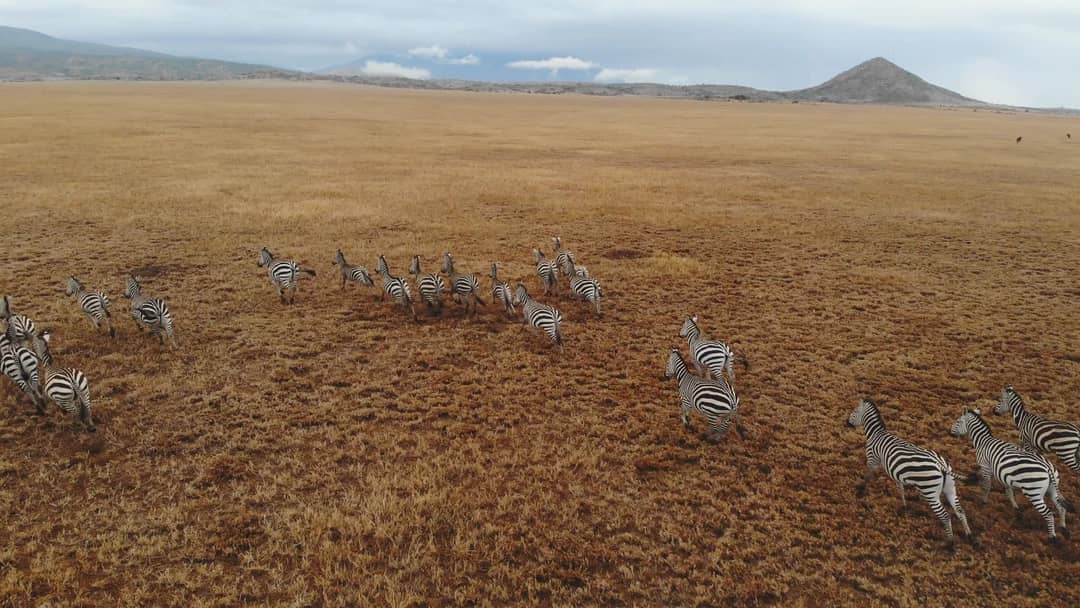
  • The Great Migration: This is the peak window for action. From July to October, the herds face the Mara River crossing in the Northern Serengeti. It is the most dramatic wildlife event on earth.
  • Wildlife: As the bush dries out, animals cluster around water sources. Tarangire National Park becomes a hotspot for elephant herds, while predator sightings in the Central Serengeti are frequent and easy.
  • Weather: June to October brings sunny days and cool nights with almost no rain. It is arguably the best time to see wildebeest migration in Serengeti due to the comfortable climate and dry roads.

Cons:Peak Season Crowds

  • Because this is the best time for great migration Tanzania safaris, the popular parks (especially Ngorongoro Crater and Seronera) can be busy. Prices for luxury lodges are at their highest.
  • Expert Tip: Book 9-12 months in advance for a river-facing room.

Expert Verdict: If witnessing a Mara River crossing is on your bucket list, this is the only time to go. It offers the classic 'National Geographic' scenes you expect. Just be prepared for higher rates and more vehicles at major sightings.

Recommended Safari Duration in Tanzania

Don't rush the Serengeti. Due to road distances in Tanzania, we recommend a minimum of 5 to 7 days to explore the Tarangire, Manyara, and Serengeti ecosystem comfortably. For a more relaxed pace that includes cultural visits, a 9-day itinerary is ideal.

3-5 Days
6-7 DaysMost Popular
9+ DaysBest Experience
Parks Visited
1-2 Parks
3-4 Parks
All + Remote
Big 5 Chance
Possible
High
Very High
Travel Pace
Rushed
Balanced
Relaxed
Serengeti Time
Little/None
2-3 Nights
4+ Nights
Migration
Unlikely
Good Chance
Best Chance
Cultural Visit
Rarely
Optional
Included
Ideal For
Budget trips & short safaris
Best itinerary for first-timers
Photographers & deep immersion

Expert Verdict: While a 5 day safari is the most searched option, we recommend 6-7 days for first-timers. This gives you enough time to reach the Serengeti without rushing between parks. If you only have 5 days, consider flying one leg to save a full day of driving.

Safari Realities

Travel Distances & Drive Times

Arusha to Serengeti drive time is approximately 8-9 hours. On short 3-day trips, you spend most of your time on the highway. We recommend flying one way to save time.

Park Rules & Gate Timings

Strict national park rules require all vehicles to exit by 6:00 PM. Safari gate fees are paid per 24-hour cycle, so a well-planned itinerary is crucial to avoid penalties.

Wildlife Behavior

Animals don't follow a schedule. A longer Tanzania safari itinerary increases your odds of seeing the Big 5 and rare predator action, simply because you have more time in the bush.

Tanzania Lodges & Tented Camps

Your choice of sleep affects the price. We offer everything from luxury lodges in Serengeti with private pools to authentic tented camps inside the parks.

  • Private en-suite bathrooms
  • Hot showers & 24/7 electricity
  • Restaurant & Bar lounge
  • Swimming pool (seasonal)

THE NORTHERN SAFARI CIRCUIT

Tanzania's Top National Parks

Explore the famous route connecting Tarangire, Lake Manyara, the Ngorongoro Crater, and the Serengeti. These parks host the Big 5 and the Great Migration, all located within comfortable driving distance of each other.

Northern Safari Circuit Overview

Serengeti National Park

Serengeti National Park

Home of the Great Migration

Tanzania's most famous park and the stage for the Great Migration. It offers world-class Serengeti National Park safari experiences with vast plains and high predator density year-round.

Wildlife Sightings

Wildebeest
Great Migration
Lion
Common
Elephant
Common
Hippo
Common
Park Fees: $70-83 / day
Arusha to Serengeti: 8-9 hours drive (Fly-in recommended).
Lake Manyara

Lake Manyara

Home of Tree-Climbing Lions

A compact gem known for its unique tree-climbing lions and thousands of flamingos painting the lake pink. A perfect first stop on your safari itinerary.

Wildlife Sightings

Tree-climbing lions
Unique
Lion
Common
Elephant
Common
Hippo
Common
Park Fees: $50-59 / day
Arusha to Lake Manyara: 1.5 - 2 hours drive.
Ngorongoro Crater

Ngorongoro Crater

The Best Place to See the Big 5

A UNESCO World Heritage Site. This ancient volcanic caldera holds the highest density of wildlife in Africa and is the best place to spot the rare Black Rhino.

Wildlife Sightings

Black Rhino
Best Chance
Lion
Common
Elephant
Common
Hippo
Common
Park Fees: $70/day + $295 vehicle fee
Arusha to Ngorongoro: 3-4 hours drive.
Tarangire National Park

Tarangire National Park

Elephants & Ancient Baobabs

Famous for its massive elephant herds and iconic Baobab trees. In the dry season, it rivals the Serengeti for wildlife density as animals flock to the Tarangire River.

Wildlife Sightings

Elephant
Huge Herds
Lion
Common
Giraffe
Common
Hippo
Common
Park Fees: $50-59 / day
Arusha to Tarangire: 2 hours drive (Easy tarmac road).

Beyond the Parks

Mount Kilimanjaro

Africa's highest peak (5,895 m) is about 4 hours from Arusha. The standard climb takes 6–8 days — many travellers pair it with a Northern Circuit safari before or after without extra international flights.

Cultural Experiences

Most Northern Circuit itineraries pass through Maasai country — a guided village visit is a common half-day addition between parks. Olduvai Gorge, the "Cradle of Mankind," sits between Ngorongoro and the Serengeti and is an easy roadside stop.

Average Cost of Safari in Tanzania

How much does a safari cost? Prices range from $250/day (camping) to over $1,000/day (luxury). We provide a full breakdown of park fees, vehicle costs, and government taxes so you can see exactly where your money goes.

Daily Cost Breakdown by Tier

Budget
$300 / day
Park fees
Vehicle and guide
Accommodation
Mid-Range
$500 / day
Park fees
Vehicle and guide
Accommodation
Luxury
$800 / day
Park fees
Vehicle and guide
Accommodation
Park fees
Vehicle & guide
Accommodation

Pricing Explained

2026 Park Fees are Fixed

Serengeti National Park fees and conservation levies are set by TANAPA. Expect to pay ~$83 per person/day (including VAT) for entry, regardless of whether you sleep in a tent or a luxury lodge.

Accommodation Drives the Cost

The biggest variable is where you sleep. A budget camping safari starts at $250/day, while luxury safari lodges can exceed $1,500/day due to the high cost of remote logistics and all-inclusive service.

Tipping & Extras

Common "hidden" costs include the Tanzania visa fee ($100 for US citizens) and gratuities. The standard safari driver tip is $20-30 per day per group. Always check if drinks and laundry are included in your quote.

The main difference? Accommodation is what separates Budget from Luxury. The government taxes and park fees remain the same for everyone.

Plan your Tanzania safari

Answer two quick questions — get a tailored itinerary and quote within 12 hours.

Adults
1
Children
0

Not sure? You can adjust this later.

Response in 12 hours
No booking pressure
Personalized itinerary

Frequently Asked Questions

Get answers to common questions about planning your Tanzania safari adventure.

Tanzania is located in East Africa, bordering Kenya and Uganda to the north, Rwanda and Burundi to the west, and Mozambique, Malawi, and Zambia to the south. It is home to some of Africa's most famous safari destinations, including the Serengeti National Park, Ngorongoro Crater, Tarangire National Park, and Mount Kilimanjaro. Tanzania is also known for Zanzibar, a popular beach extension after safari.

Yes. Tanzania is widely regarded as one of the safest safari destinations in Africa. Most travelers experience trouble-free visits, particularly on organized safaris where guests are accompanied by professional driver-guides at all times. National parks and safari lodges are very safe. As in any country, basic precautions are recommended in cities, such as avoiding poorly lit areas at night and not displaying valuables openly.

A Tanzania safari typically costs between $250 and $1,000+ per person per day, depending on the season, accommodation level, and travel style.

  • Budget camping safaris: from $250–$350 per person per day
  • Mid-range private safaris: around $400–$600 per person per day
  • Luxury lodges & fly-in safaris: $800–$1,200+ per person per day

Prices are highest during the peak season (July–October) and lower during the green season. Private safaris cost more than group-joining tours but offer full flexibility and a personal guide.

A Serengeti safari usually costs $450–$900 per person per day, depending on lodge quality, season, and whether you travel by road or small aircraft. The most expensive period is during the dry season (June–October) and the calving season (January–February), while the green season (March–May) and shoulder months (November–December) offer better value with fewer crowds.

Tanzania offers excellent wildlife viewing year-round, but the best time depends on your interests:

  • June–October: Dry season and Great Migration river crossings in the Serengeti — peak wildlife viewing
  • January–February: Calving season in the Southern Serengeti (Ndutu area) — predator action and photography
  • March–May: Green season with lush landscapes, fewer visitors, and the lowest prices
  • November–December: Short rains and shoulder season — good wildlife viewing with lower rates

Tanzania has two rainy seasons:

  • Short rains: November to December
  • Long rains: March to May

Safaris continue year-round, including during the rainy season. While occasional showers are expected, the scenery is greener, wildlife is still abundant, and prices are generally lower.

Yes. US citizens require a multiple-entry visa costing $100, while UK and EU citizens typically pay $50. Visas can be obtained on arrival at major airports, including Kilimanjaro (JRO) and Dar es Salaam (DAR), but queues can be long. We strongly recommend applying for a Tanzania e-Visa online at least 2–3 weeks before travel to save time on arrival.

Most safari travellers fly into Kilimanjaro International Airport (JRO), which is the closest airport to the Northern Circuit parks. Dar es Salaam (DAR) is an alternative, especially if you're heading to the southern parks or Zanzibar first.

There are no direct flights from the US or UK — common connections include Doha (Qatar Airways), Amsterdam (KLM), Istanbul (Turkish Airlines), and Nairobi (Kenya Airways). From JRO, your safari operator will arrange a road transfer or domestic flight to your first park.

Pack light, comfortable clothing suitable for warm days and cool mornings. We recommend:

  • Breathable, neutral-colored clothing (khaki, beige, olive)
  • A fleece or light jacket for early mornings
  • Comfortable walking shoes or sneakers
  • Sun protection (hat, sunglasses, sunscreen)

Avoid dark blue and black, which can attract tsetse flies, and bright white clothing, which shows dust easily.

Tipping is customary but not mandatory. For a private safari, the general guideline is $15–$20 per person, per day for your driver-guide. Many lodges also have a communal tip box for camp staff, where $10–$15 per group, per day is appropriate. Tips are usually given in US dollars (bills issued after 2013) or Tanzanian shillings.

Malaria is present in Tanzania, so most travelers are advised to take preventive medication after consulting a travel doctor. Yellow Fever vaccination is generally required only if arriving from a country with Yellow Fever risk, but entry rules can change. Most safari lodges provide mosquito nets, and we recommend bringing insect repellent containing DEET or picaridin for additional protection.

Yes. Tanzania is an excellent choice for families, couples, and first-time safari travelers. The infrastructure is well developed, guides are highly experienced, and private safaris allow pacing to be fully adapted to your needs. Many lodges welcome children and offer family-friendly accommodations and activities.