GetSafariTours
Tanzania's Hidden Gem

Southern Tanzania Safari Tours

Explore Ruaha, Selous & Mikumi. Vast wilderness, walking safaris, and almost no crowds. Tailored by local experts.

4.9(200+ reviews)
Curated network of top-rated operators
Expert Avatar

Not sure where to start?

We'll craft your perfect adventure.

or browse tours
Response in 12 hours
No booking pressure
Personalized itinerary
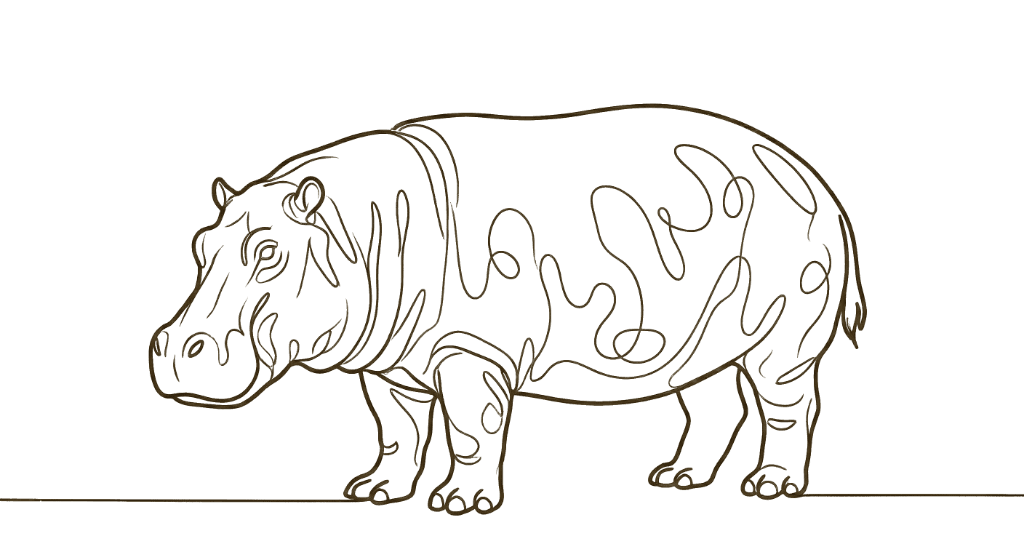
Hippo surfacing in a river with palm trees along the bank in southern Tanzania
Southern Tanzania

Discover Southern Tanzania

Africa's Last Untouched Wilderness

While 90% of visitors head north to the Serengeti, southern Tanzania remains wild and uncrowded. Ruaha, Nyerere (Selous), and Mikumi together form one of the largest protected ecosystems on the continent, offering raw, authentic safari experiences without the tourist traffic.

Almost No Crowds

Ruaha receives fewer than 15,000 visitors per year, compared to over 350,000 in the Serengeti. You'll often have game drives entirely to yourself.

Walking Safari Capital

The south is Tanzania's premier destination for guided walking safaris. Track wildlife on foot through ancient baobab forests and along riverbanks.

Diverse Ecosystems

From the Great Ruaha River to the Rufiji waterways and Mikumi's open plains, the south packs wildly different landscapes into a single circuit.

Did You Know?

The Nyerere National Park (formerly Selous Game Reserve) is Africa's largest protected area at over 30,000 km², larger than Switzerland. Combined with Ruaha and Mikumi, the southern circuit forms one of the most significant wildlife corridors on the planet.

EXPLORE THE PARKS

Three World-Class Safari Parks, One Circuit

Each park in the southern circuit offers a completely different safari experience: boat safaris on the Rufiji, walking through baobab forests, and classic savannah game drives.

Ruaha National Park

Ruaha National Park

Tanzania's Largest National Park

At 20,226 km², Ruaha is Tanzania's largest national park. The Great Ruaha River draws massive concentrations of wildlife during the dry season, including over 10% of the world's lion population. One of the best parks in Africa for walking safaris and predator sightings without the crowds.

Wildlife Sightings

Lion
10% of World Pop.
Elephant
Very Common
Wild Dog
Common
Park Fees: $30 / day
From Dar es Salaam: 1.5h flight or 10h drive
Nyerere (Selous) National Park

Nyerere (Selous) National Park

Africa's Largest Protected Area

The former Selous Game Reserve is Africa's largest protected area at over 30,000 km². It combines boat safaris on the Rufiji River, traditional game drives, and walking safaris — a combination you won't find anywhere else in Tanzania. Home to one of Africa's most vital wild dog populations.

Wildlife Sightings

Wild Dog
Key Population
Hippo
Very Common
Crocodile
Very Common
Park Fees: $59 / day
From Dar es Salaam: 1h flight or 5h drive
Mikumi National Park

Mikumi National Park

The “Mini Serengeti”

Often called the mini Serengeti, Mikumi's open grasslands offer classic savannah scenery just 4 hours from Dar es Salaam. The most accessible southern park and a great starting point for a southern circuit safari or a standalone short safari from Dar. Excellent for large elephant herds, lions, and giraffes against a backdrop of the Uluguru Mountains.

Wildlife Sightings

Elephant
Large Herds
Lion
Common
Giraffe
Common
Park Fees: $30 / day
From Dar es Salaam: 45min flight or 4h drive

WHEN TO VISIT

Best Time for a Southern Tanzania Safari

Seasons matter more in the south than the north. Heavy rains close most camps from March to May. Here's what to expect in each window.

Dry-season safari in southern Tanzania with wildlife gathered near the Great Ruaha River
Best WildlifeWalking SafarisBoat SafarisAll Camps Open

The dry season is when southern Tanzania truly shines. Wildlife concentrates around the Great Ruaha River and Rufiji waterways, making sightings frequent and intense. All camps are open, roads are dry, and walking safaris are at their best.

What to Expect

  • Ruaha river drama. Elephants, hippos, lions, and wild dogs converge on shrinking pools. Predator sightings peak
  • Nyerere boat safaris at their best as Rufiji water levels settle. Hippo pods, crocs, and birdlife are easy to spot
  • Comfortable conditions. 25–30°C days, cool nights, almost no rain, and excellent visibility

Tradeoffs

  • Highest rates. Premium camps book out 6–9 months ahead
  • Still uncrowded. “Busy” in the south means 1–2 other vehicles, not Serengeti-level traffic

Verdict: The safest bet for a first southern circuit safari. Reliable wildlife, comfortable conditions, and every camp at its best. If budget allows, this is when to go.

ON FOOT IN THE WILD

Walking Safaris in Tanzania

Southern Tanzania is the only region in the country where walking safaris are widely available. Step out of the vehicle and experience the bush at ground level. Tracking wildlife on foot is the closest you'll get to how the first explorers saw Africa.

Guided by Experts

Armed rangers and TAWA-certified walking guides lead every excursion. Small group sizes (max 6) ensure safety and an intimate experience.

Ruaha & Nyerere

Both parks are licensed for walking safaris. Track elephants through baobab woodland in Ruaha or follow hippo trails along the Rufiji in Nyerere.

Dawn Departures

Walks start at first light when wildlife is most active. Return to camp for brunch, then head out on an afternoon game drive.

Multi-Day Fly Camping

For the adventurous: multi-day walking safaris with lightweight fly camps set up in the bush. Sleep under the stars in total wilderness.

African wild dog standing alert on a rocky mound in the southern Tanzania bush

Experience the bush at eye level with armed ranger escorts

GETTING THERE

How to Reach Southern Tanzania

Southern safaris start from Dar es Salaam, not Arusha. Most travellers fly between parks to save time, but overland drives work well for shorter trips focused on Mikumi and Ruaha.

Recommended

Fly-In Safari

  1. 1

    Arrive Dar es Salaam

    International flights land at Julius Nyerere Airport

  2. 2

    Fly to first park

    1-2 hour light aircraft to Ruaha, Nyerere, or Mikumi

  3. 3

    Hop between parks

    Short flights connect all three parks directly

  4. 4

    Fly out

    Back to Dar or direct to Zanzibar for beach extension

On a game drive within an hour of landing
Best for multi-park itineraries (saves full travel days)
Direct flights to Zanzibar from Nyerere or Ruaha
$200-$400 per flight adds up on multi-park trips

Overland Drive

  1. 1

    Arrive Dar es Salaam

    Meet your guide, overnight in the city

  2. 2

    Drive to Mikumi

    4 hours on a paved highway (A7), game drive en route

  3. 3

    Continue to Ruaha

    5-6 hours on unpaved roads through the highlands

  4. 4

    Return to Dar

    Drive back or one-way fly-out to save time

Transfer costs included in standard packages
Game drive through Mikumi on the way to Ruaha
Best option for budget-focused trips
Long drive days (especially Mikumi to Ruaha)
Nyerere harder to add without backtracking

Common Mistakes

Trying to drive between Ruaha and Nyerere directly. There is no practical road connection.
Underestimating the Mikumi-to-Ruaha drive. It is 5-6 hours on rough roads, not 3.
Booking all three parks overland in under 7 days. Fly at least one leg.

Plan your southern Tanzania safari

Answer two quick questions and get a tailored itinerary and quote within 12 hours.

Adults
1
Children
0

Not sure? You can adjust this later.

Response in 12 hours
No booking pressure
Personalized itinerary

SOUTHERN SAFARI FAQ

Frequently Asked Questions

Everything you need to know about planning a southern Tanzania safari.

The southern circuit refers to a group of national parks in southern Tanzania, primarily Ruaha National Park, Nyerere National Park (formerly Selous Game Reserve), and Mikumi National Park. Together they form one of Africa's largest protected ecosystems.

Unlike the famous northern circuit (Serengeti, Ngorongoro, Tarangire), the southern circuit receives far fewer visitors, making it ideal for travellers seeking exclusive, uncrowded wildlife experiences.

A southern Tanzania safari typically costs $250–$450 per person per day for a mid-range private safari, and $500–$1,200+ per person per day for luxury fly-in options.

Fly-in safaris are more common in the south due to the distances involved, which adds $200–$400 per flight. However, driving to Mikumi is very affordable and can bring costs down significantly for shorter trips.

Budget tip: Combining Mikumi with a Dar es Salaam base is one of the most affordable safari options in Tanzania.

The best time to visit southern Tanzania is during the dry season from June to October. Wildlife concentrates around rivers and water sources, vegetation thins out, and road conditions are optimal.

Seasonal highlights:

  • June–October: Peak season. Best wildlife viewing, dry roads, cooler temperatures
  • November–December: Short rains begin, green season rates, good birding
  • January–March: Hot and humid, some camps close in Nyerere and Ruaha

Note: Mikumi is accessible year-round thanks to its paved access road. Ruaha and Nyerere are best visited during the dry season.

Southern circuit safaris start from Dar es Salaam, Tanzania's largest city. There are two main options:

  1. By air: Scheduled light aircraft flights connect Dar es Salaam to airstrips in Ruaha, Nyerere, and Mikumi. Flight time is 1–2 hours per hop. Airlines include Coastal Aviation, Auric Air, and Safari Airlink.
  2. By road: Mikumi is a 4-hour drive from Dar on a paved highway. Ruaha requires an additional 5–6 hours on unpaved roads. Nyerere is accessible by a 5-hour drive from Dar.

Most multi-park itineraries use a combination of flights and drives to minimize travel time.

Yes, southern Tanzania is the best region in the country for walking safaris. Both Ruaha and Nyerere National Parks are licensed for guided walks with armed rangers.

Walking safaris range from 2–3 hour morning walks to multi-day fly-camping expeditions where you walk between lightweight bush camps. It's a completely different experience from vehicle-based game drives: you track wildlife on foot, learn about plants, insects, and animal behaviour at ground level.

Walking safaris are not available in most northern circuit parks (including the Serengeti), which is a big reason travellers choose the south.

It depends on what you value most in a safari:

  • Choose the north if you want to see the Great Migration, visit the Ngorongoro Crater, or prefer well-established tourist infrastructure.
  • Choose the south if you want uncrowded parks, walking safaris, boat safaris, and a more raw, off-the-beaten-path experience.
  • Combine both if you have 10+ days. Fly between circuits without backtracking.

Many experienced safari-goers who have already visited the Serengeti choose the south for their return trip to Tanzania.

A minimum of 5–6 days is recommended for a meaningful southern circuit experience. Here are common itinerary lengths:

  • 3–4 days: Single park (Mikumi or Nyerere)
  • 5–7 days: Two parks (e.g., Ruaha + Mikumi or Nyerere + Mikumi)
  • 8–10 days: Full southern circuit (Ruaha + Nyerere + Mikumi)
  • 10–14 days: Southern circuit + Zanzibar beach extension

Fly-in safaris save significant travel time and allow more game-drive hours per day.